

 06-7220-9627
 WhatsApp
 Wechat
 LINE
LINE


 1 day
1 day
 Wakayama
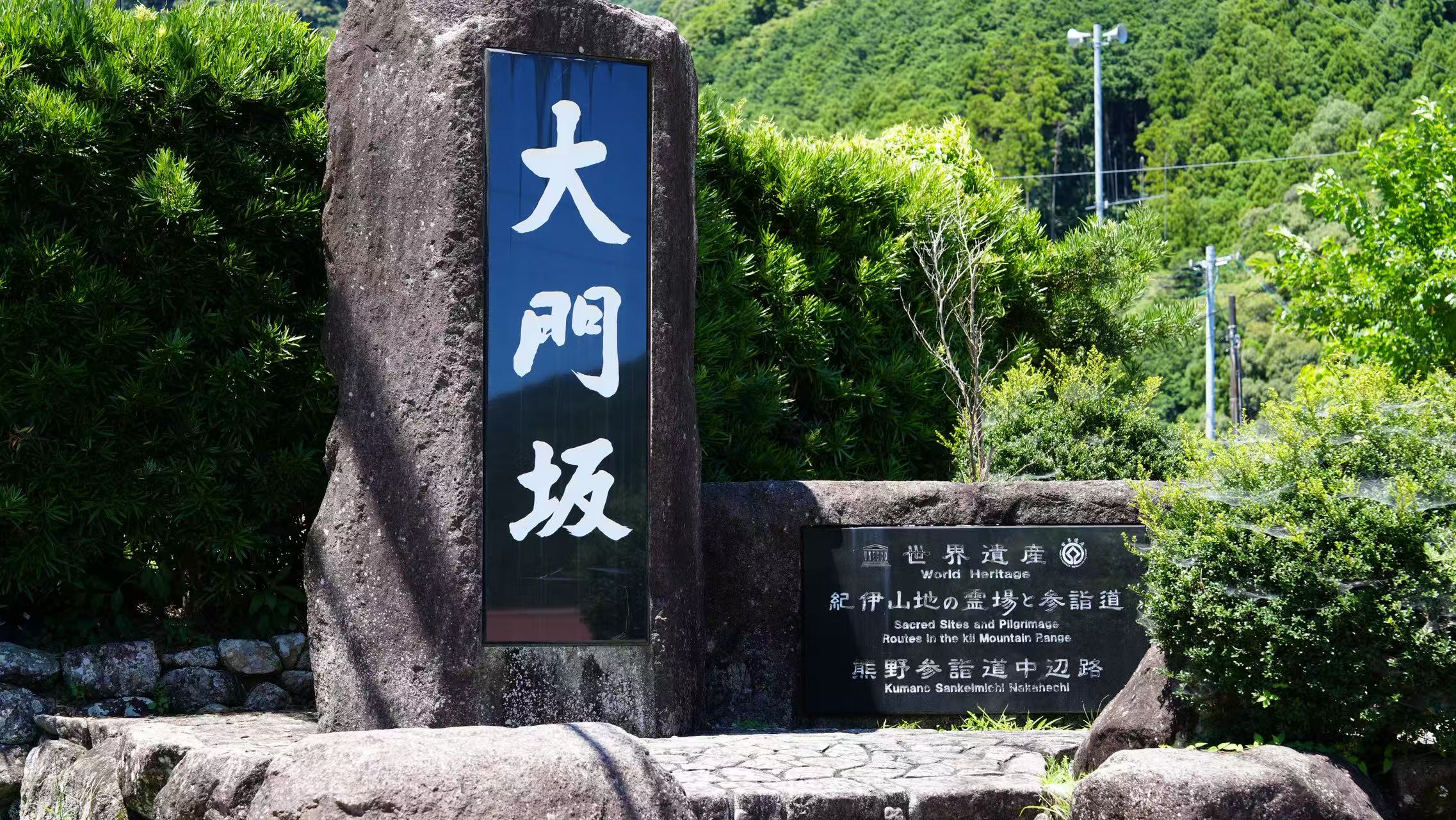
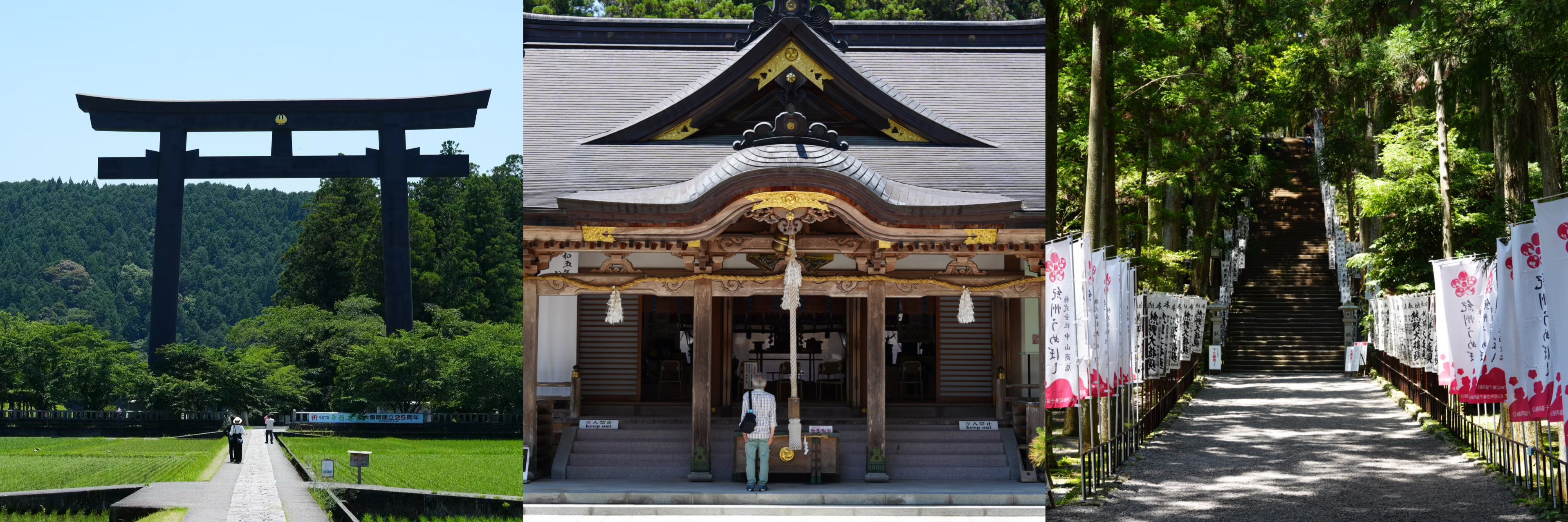
A sacred land where a thousand years of faith
converge—step into Kumano Hongu Taisha and embark on a pilgrimage to purify
body and soul.
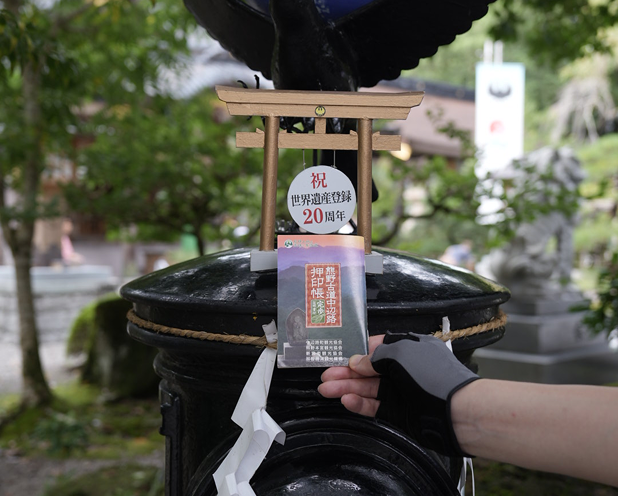
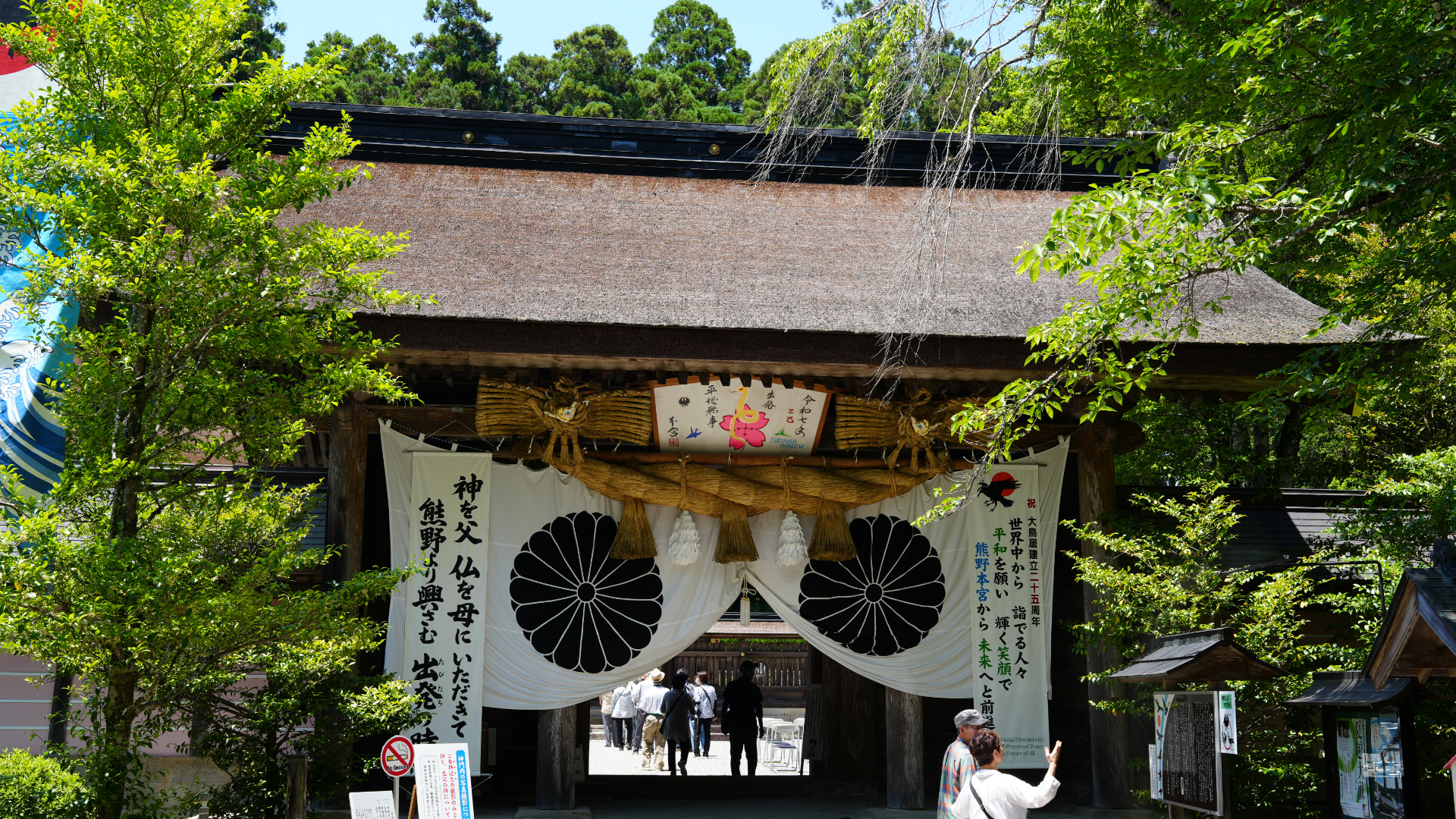
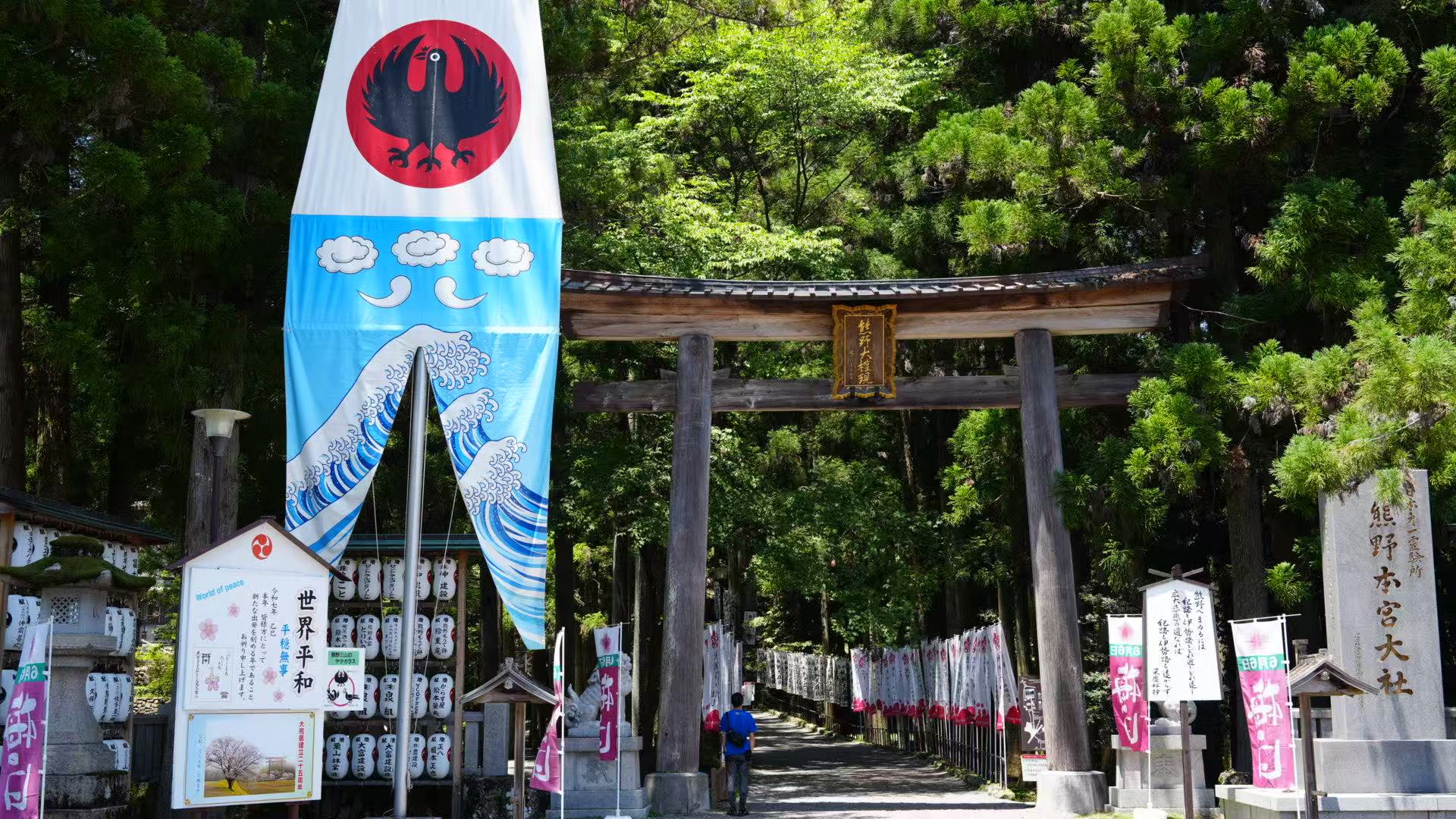
This is the spiritual heart of Kumano worship—a
sacred site that has drawn countless emperors, nobles, and commoners since
ancient times, revered as the final destination of the “Kumano Pilgrimage.”
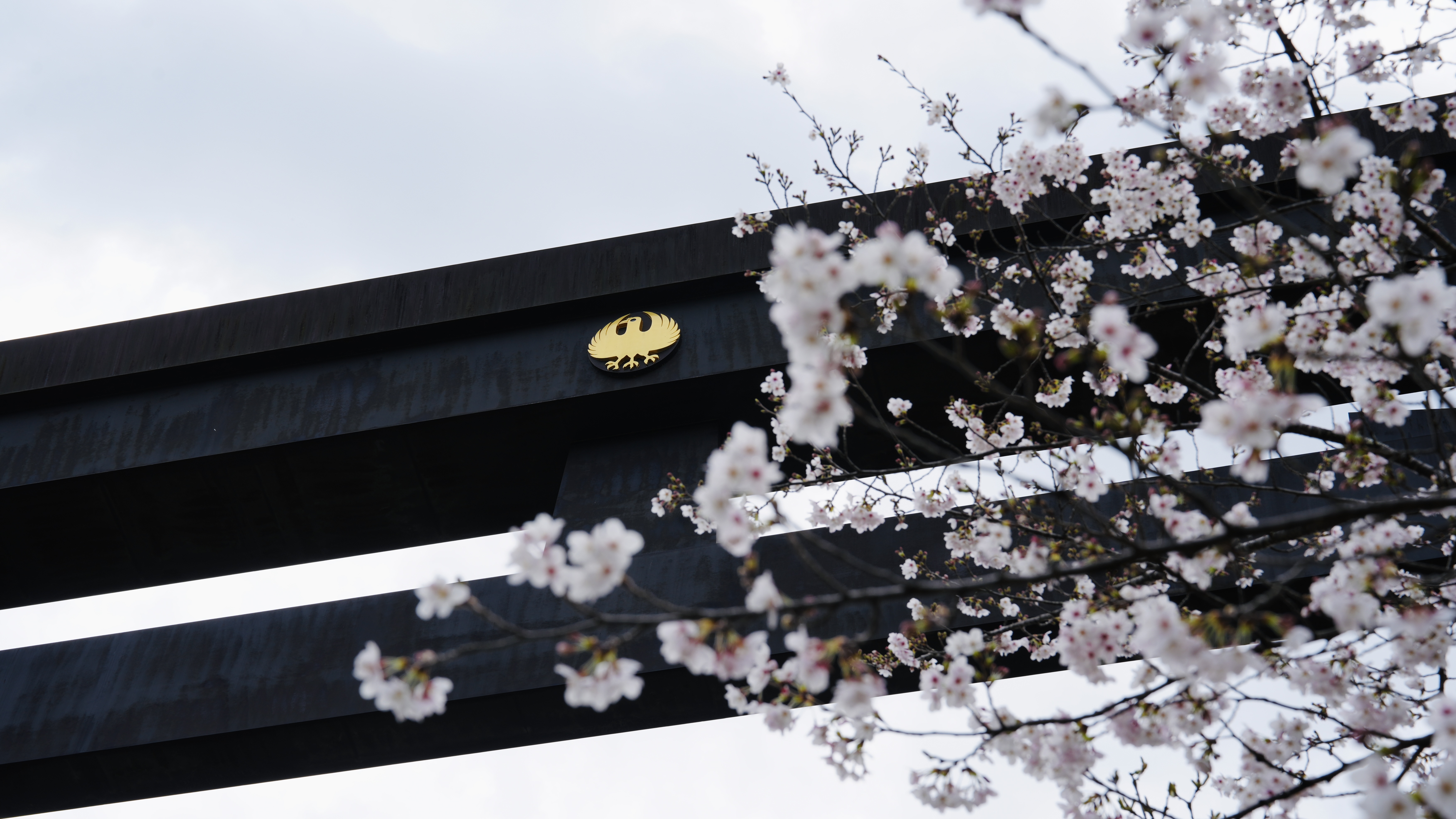
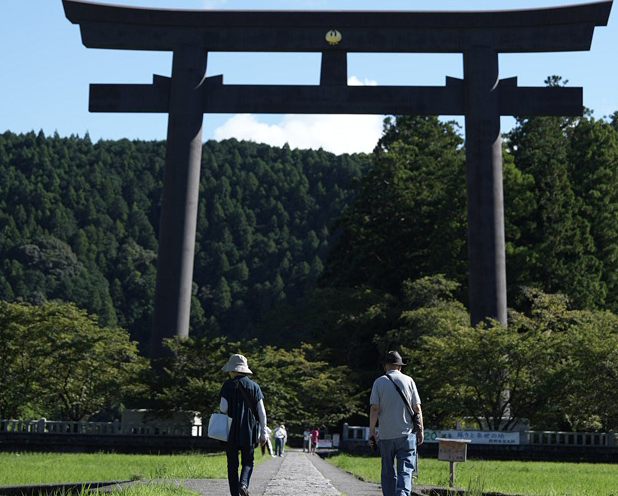
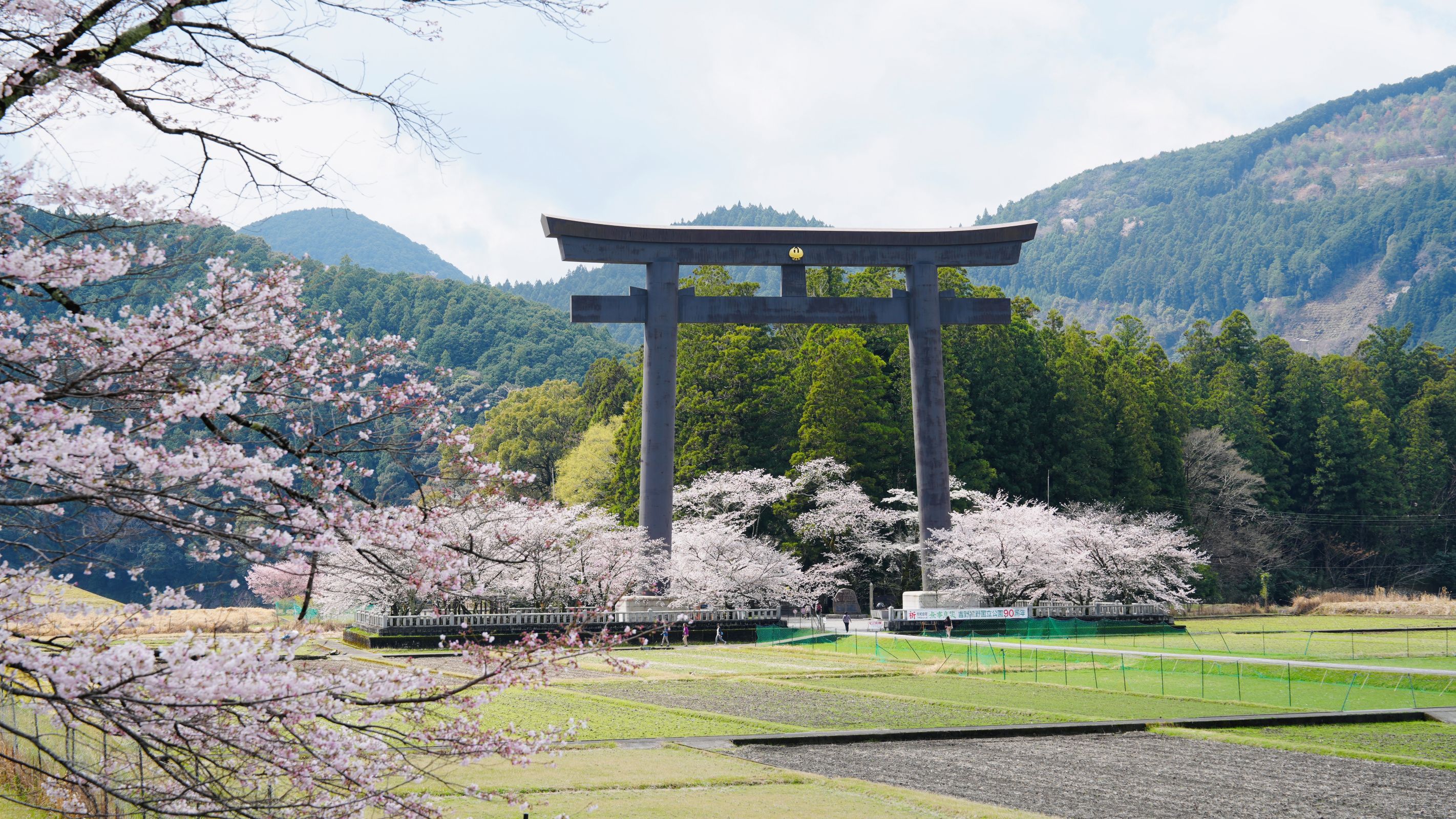
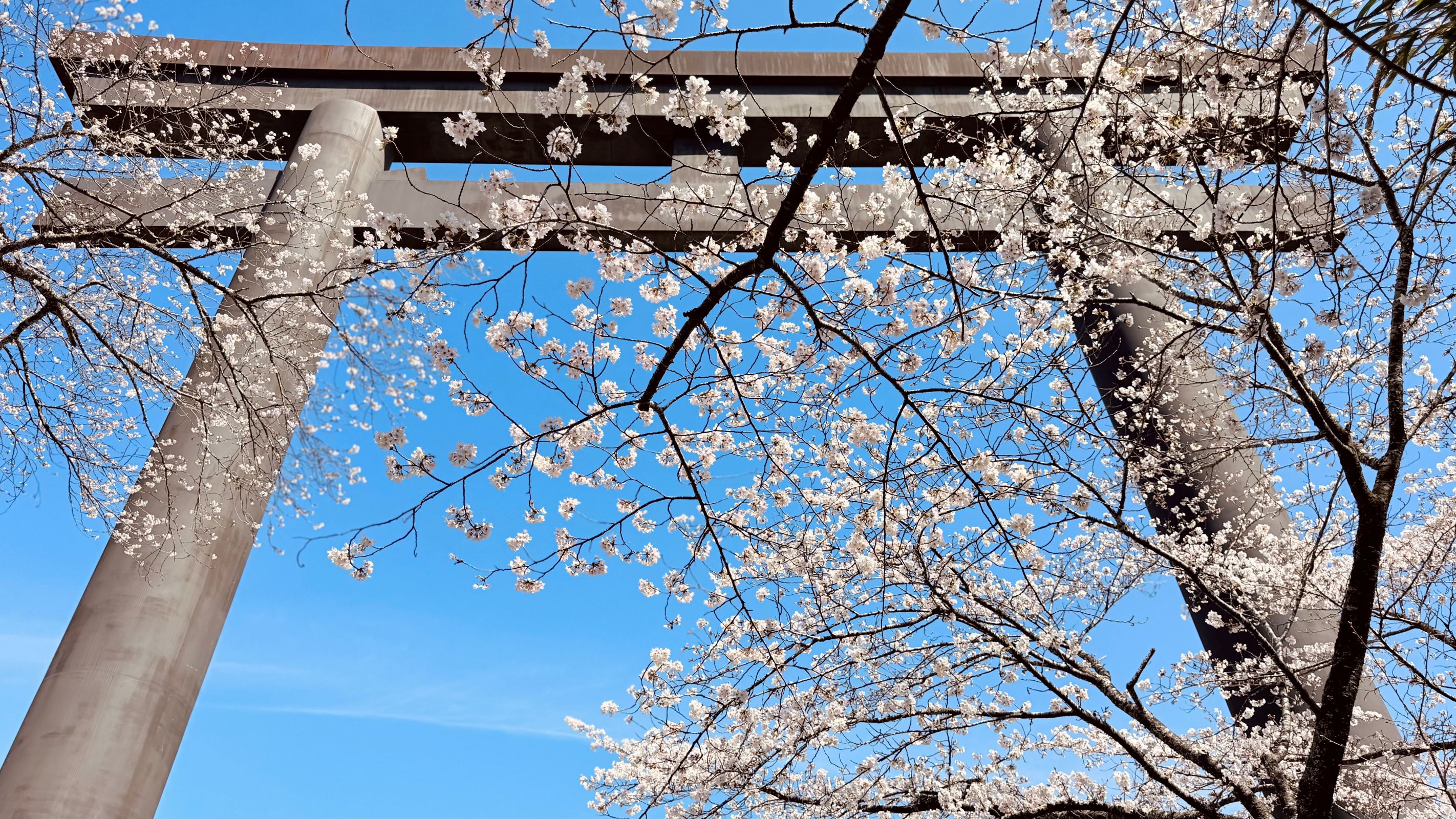
Today, the solemn shrine stands nestled among encircling mountains, while its
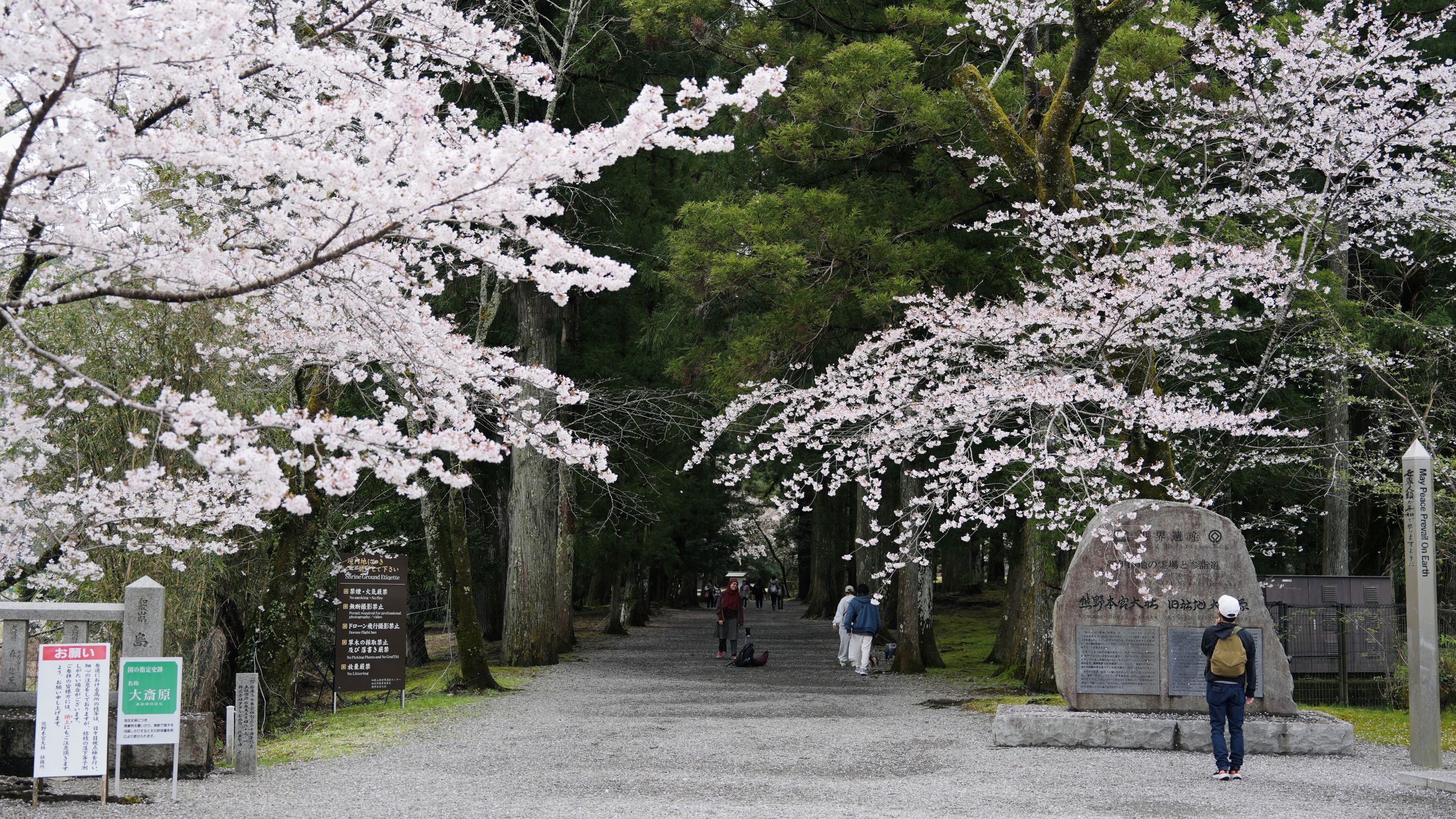
original site, Oyunohara, still preserves Japan’s largest torii gate,
symbolizing sanctity and rebirth. As you ascend the stone steps, the tranquil
cedar forest reveals a unique charm where a thousand years of history and the
spiritual energy of nature intertwine.
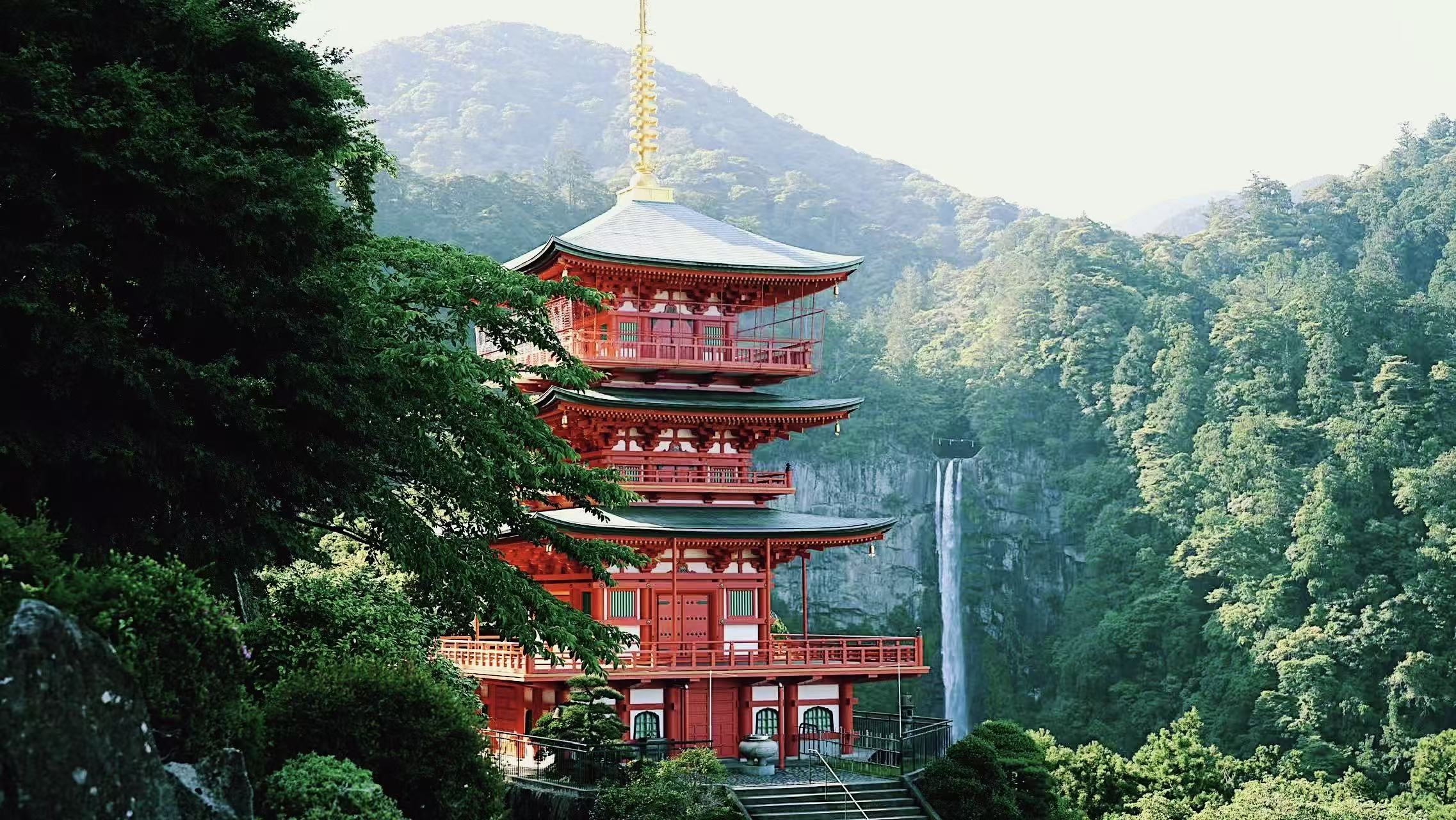
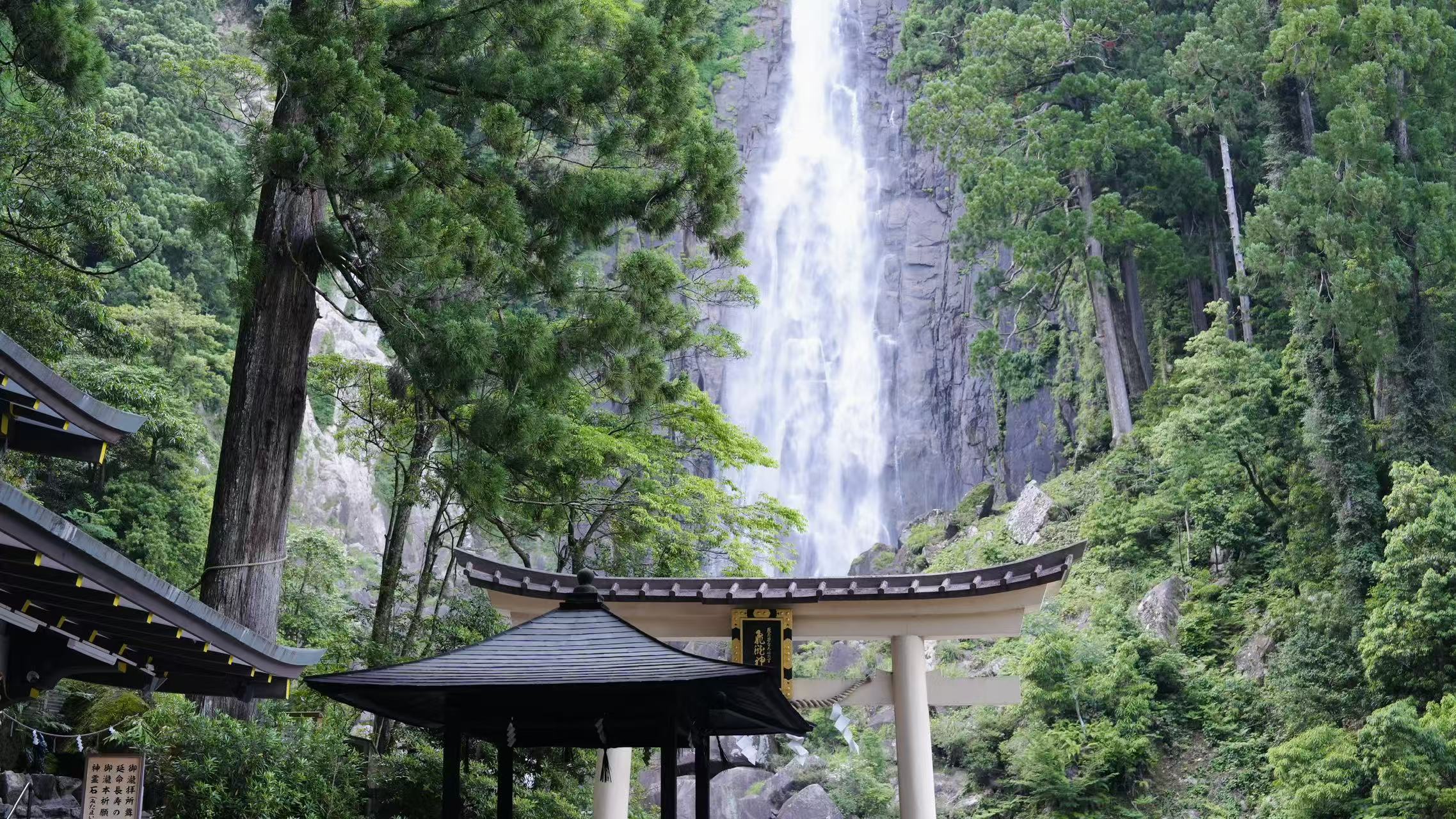
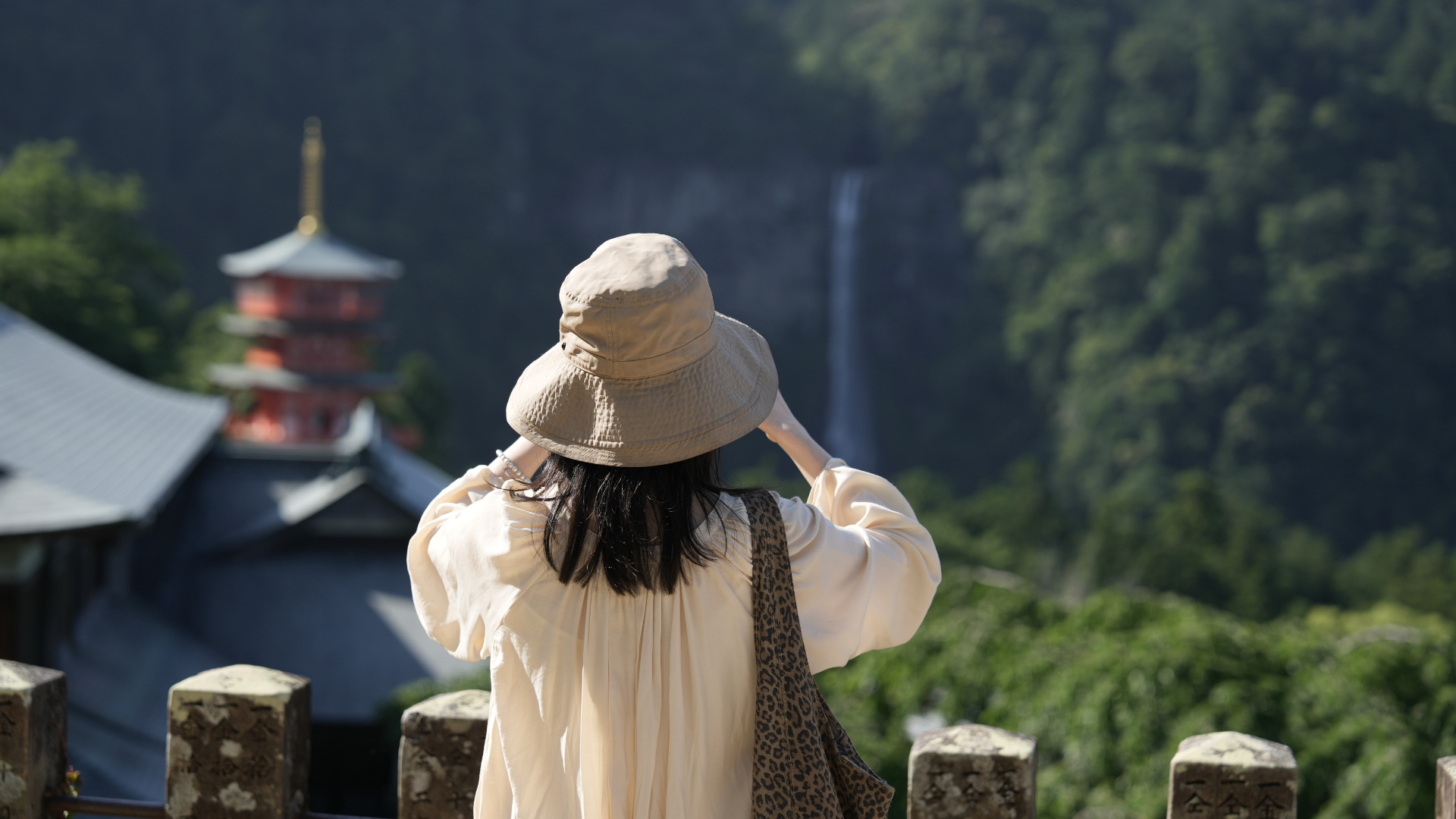
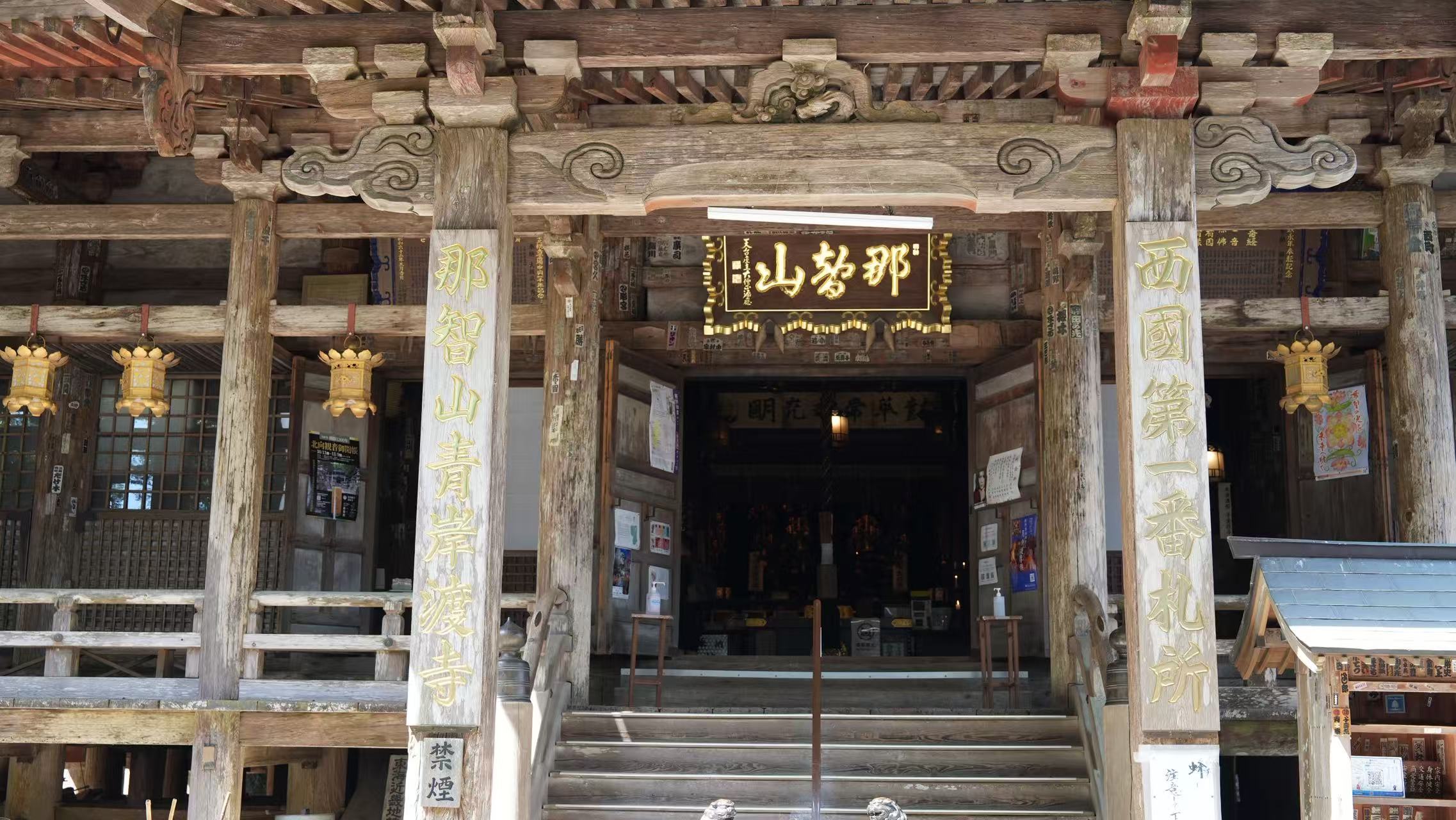
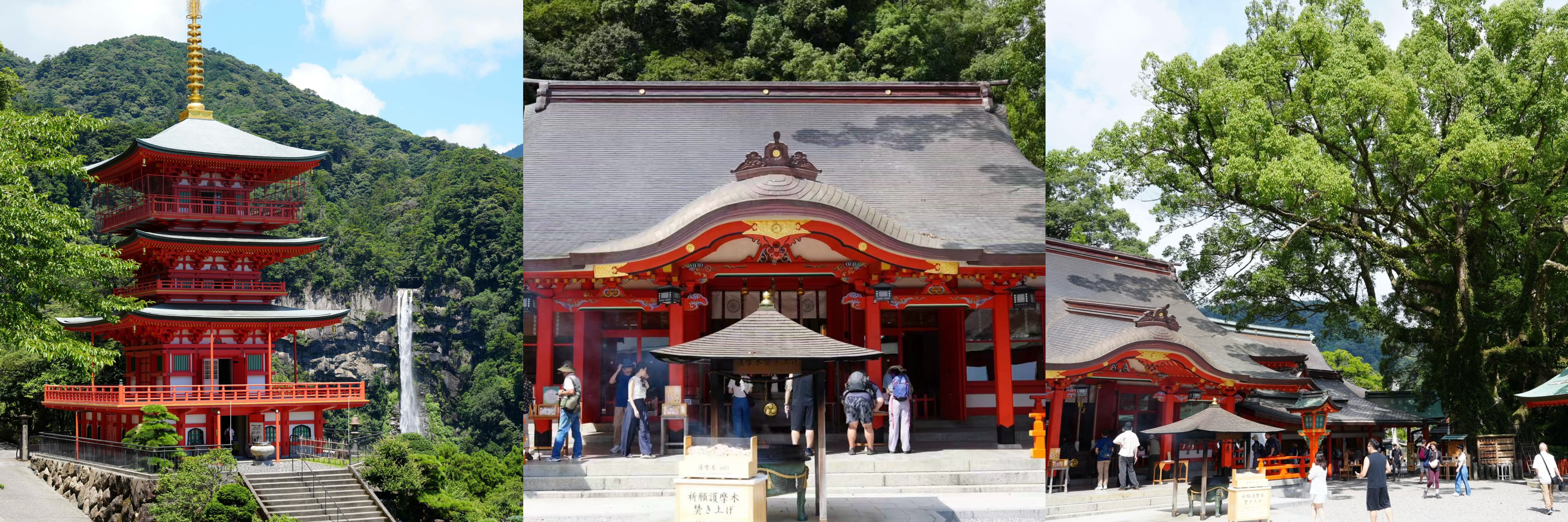
Kumano Nachi Taisha, a sacred sanctuary facing cascading waterfalls and majestic mountains, offers a soul-stirring experience where nature and faith converge.
Built along the mountainside and gazing upon Nachi Falls—one of Japan’s three most famous waterfalls—the shrine embodies a harmonious blend of ancient rituals and nature worship. Its vivid vermilion halls stand out strikingly amid misty green peaks, and ascending the stone steps feels like walking into a living classical painting. Nestled beside Seiganto-ji Temple, it showcases the unique cultural landscape of Shinbutsu-shūgō, the syncretism of Shinto and Buddhism, making it the most visually stunning and spiritually resonant of the three Kumano Grand Shrines.
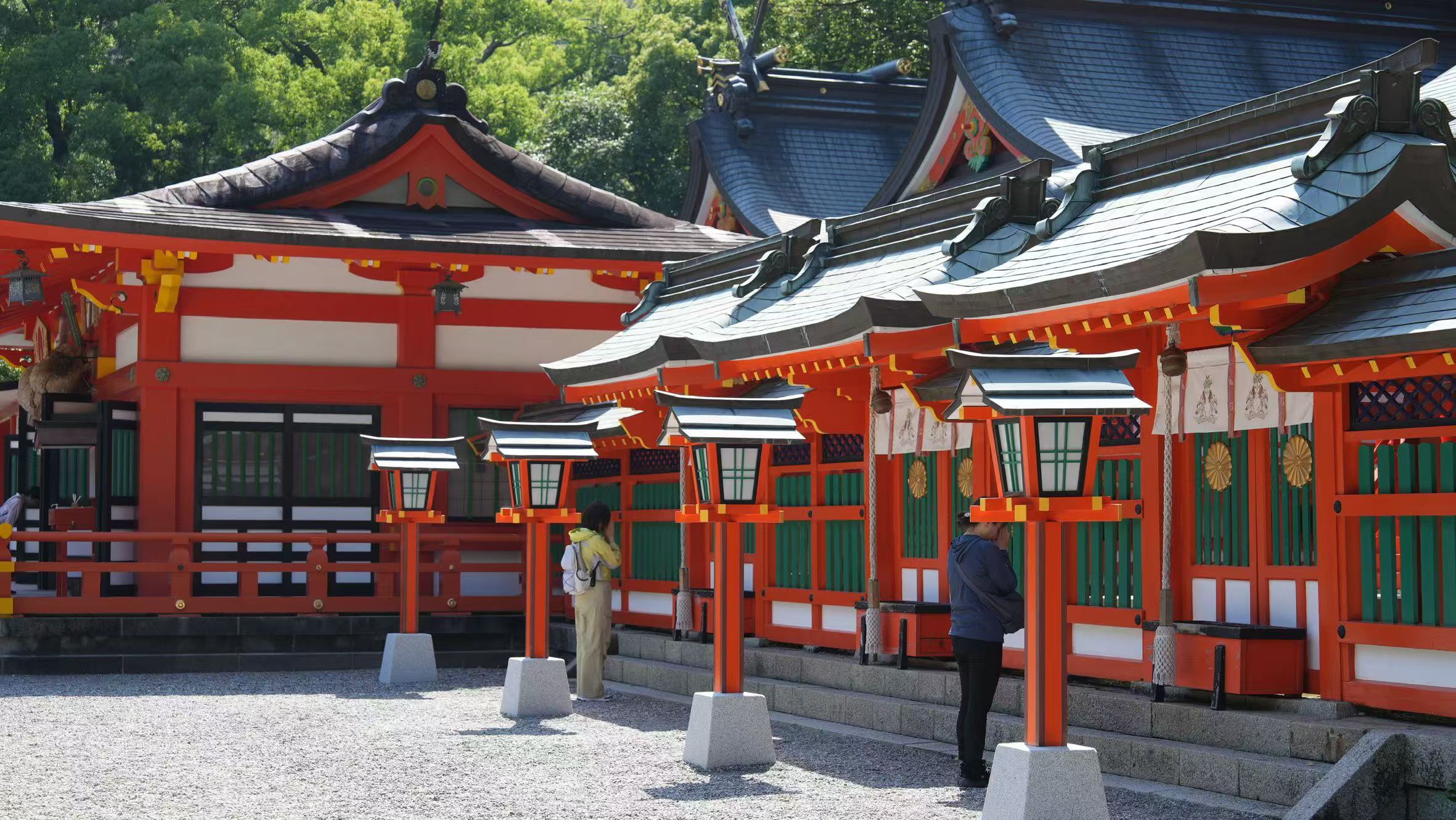
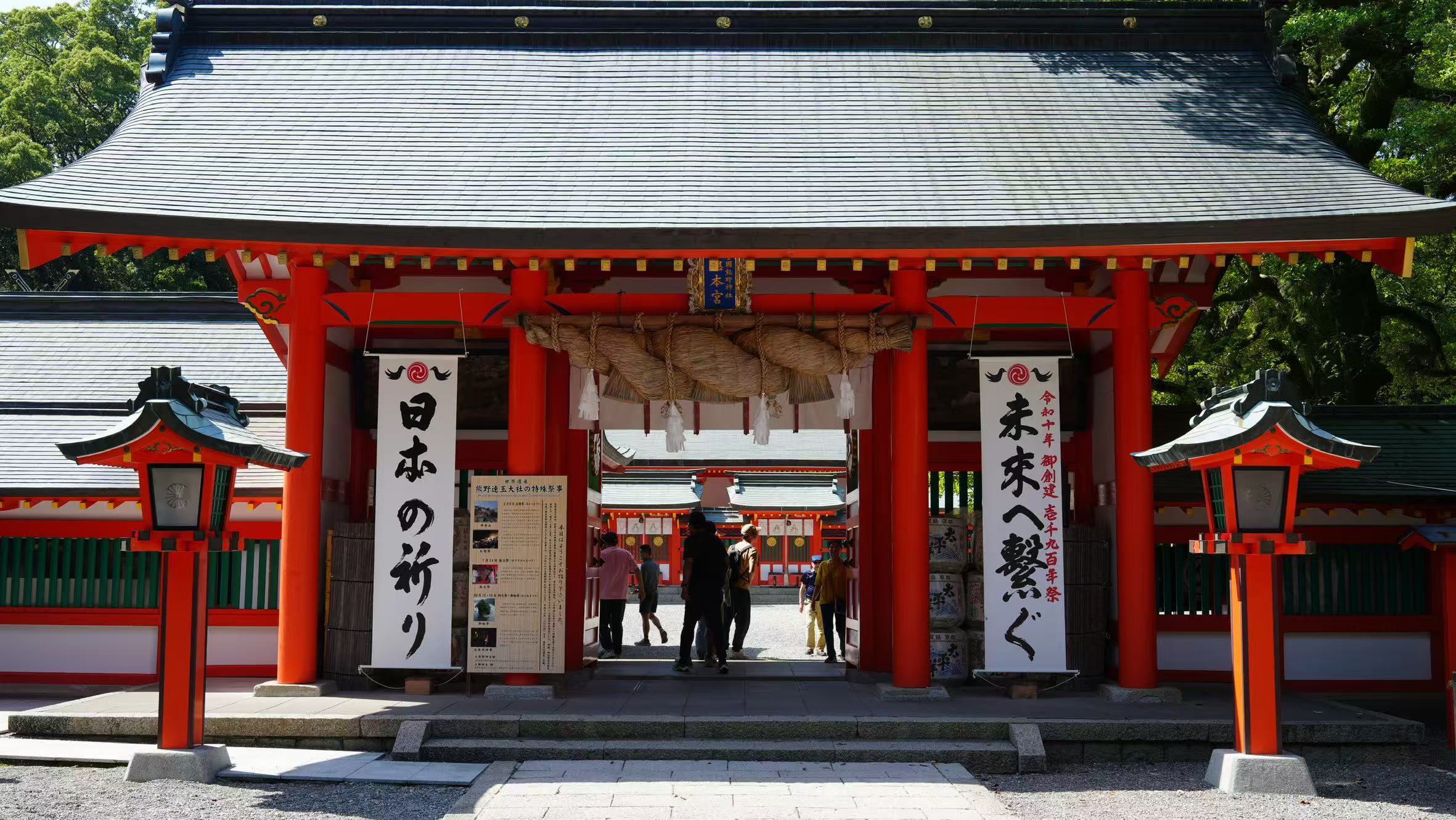
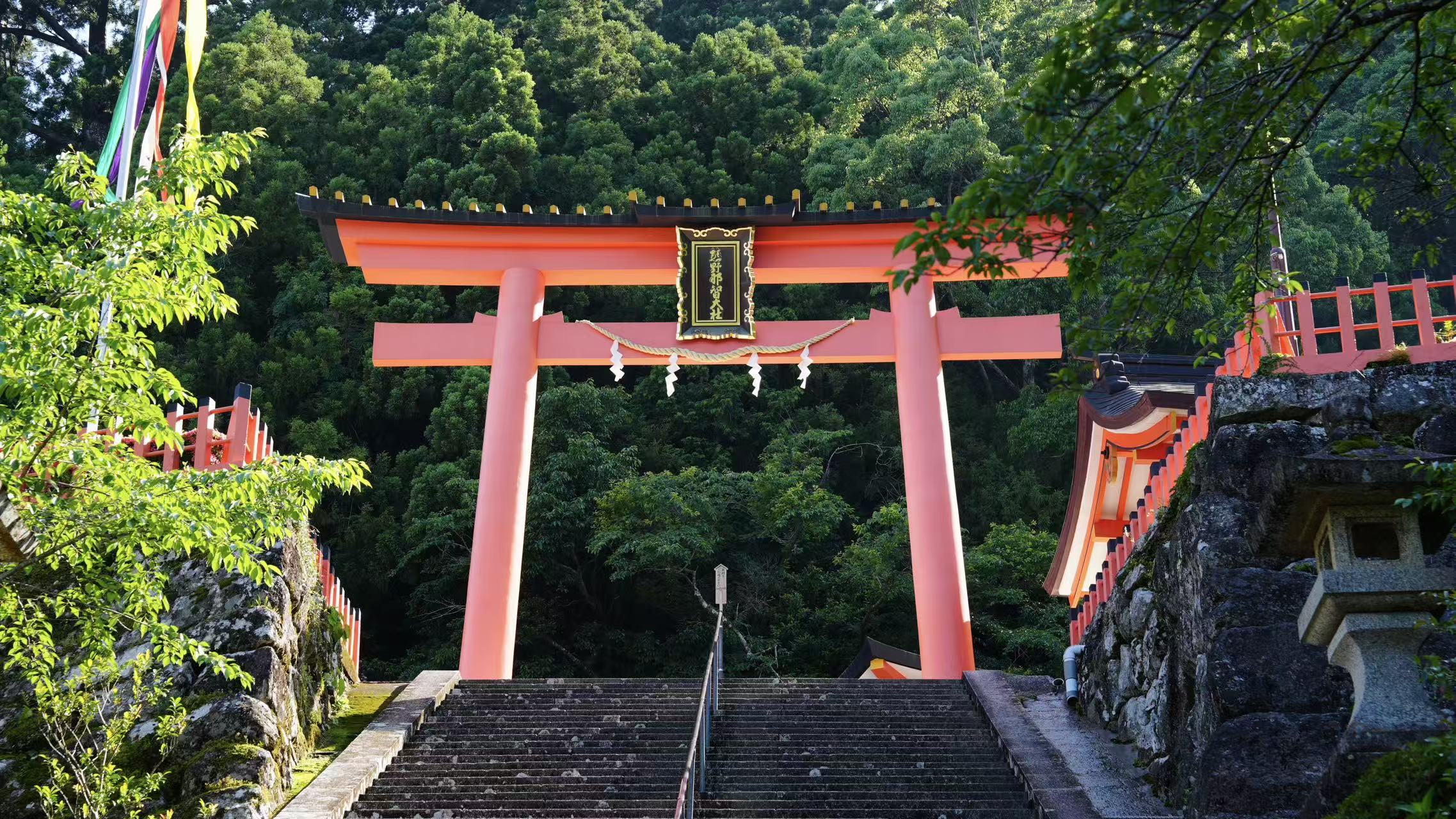
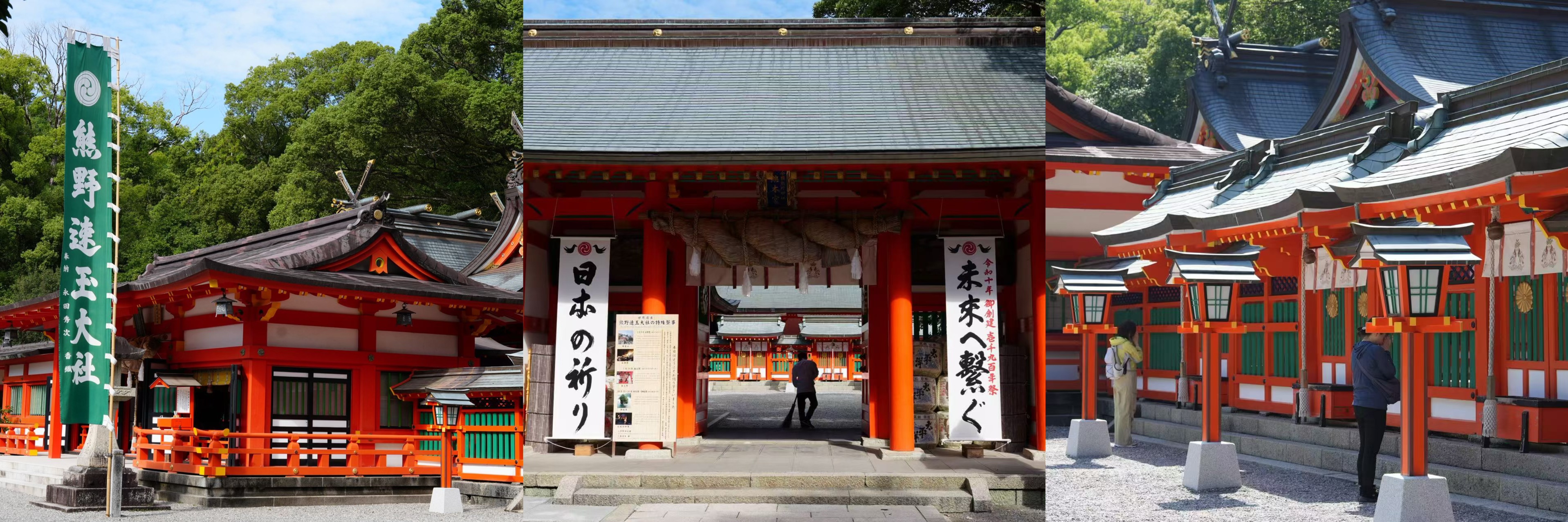
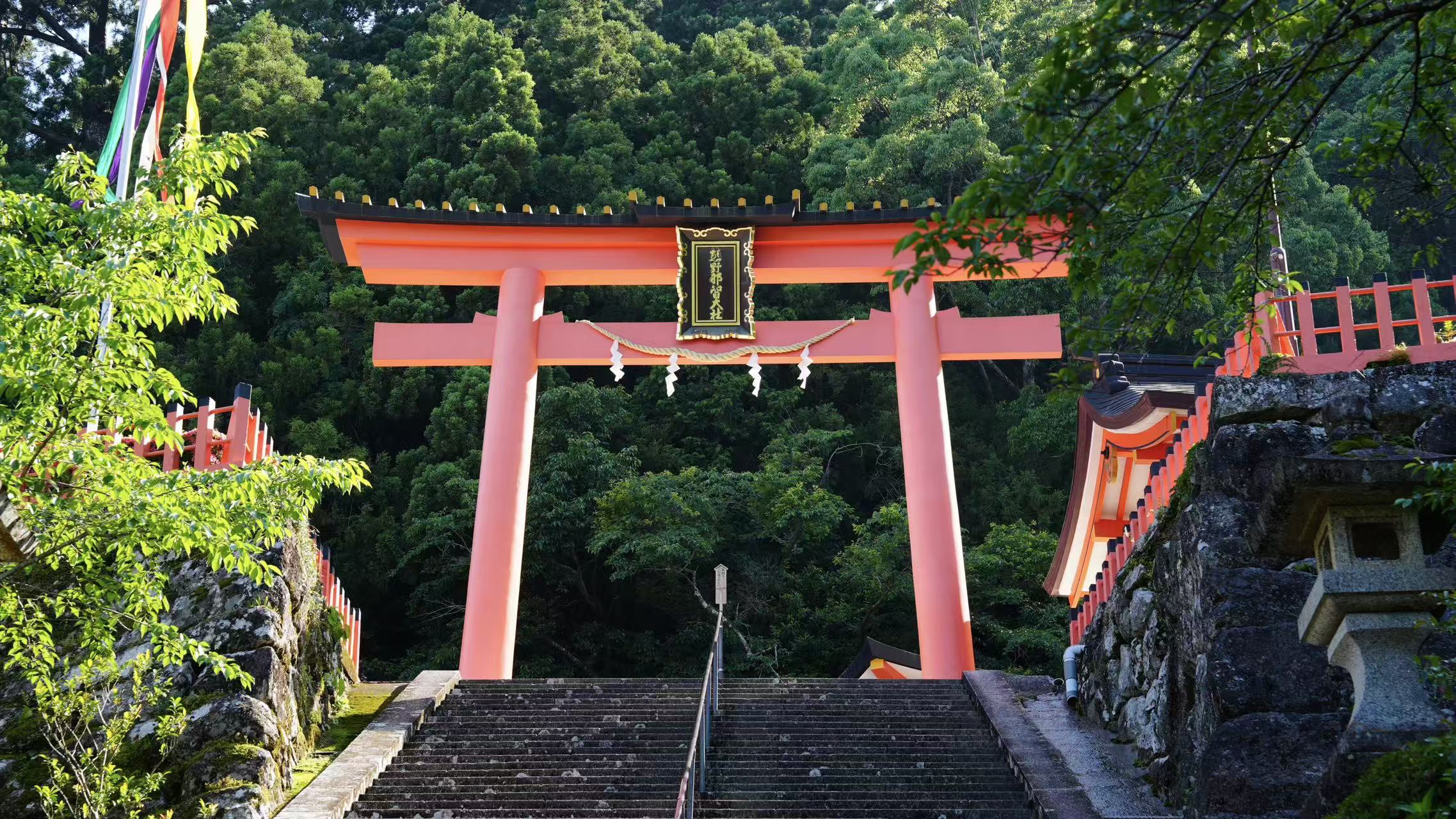
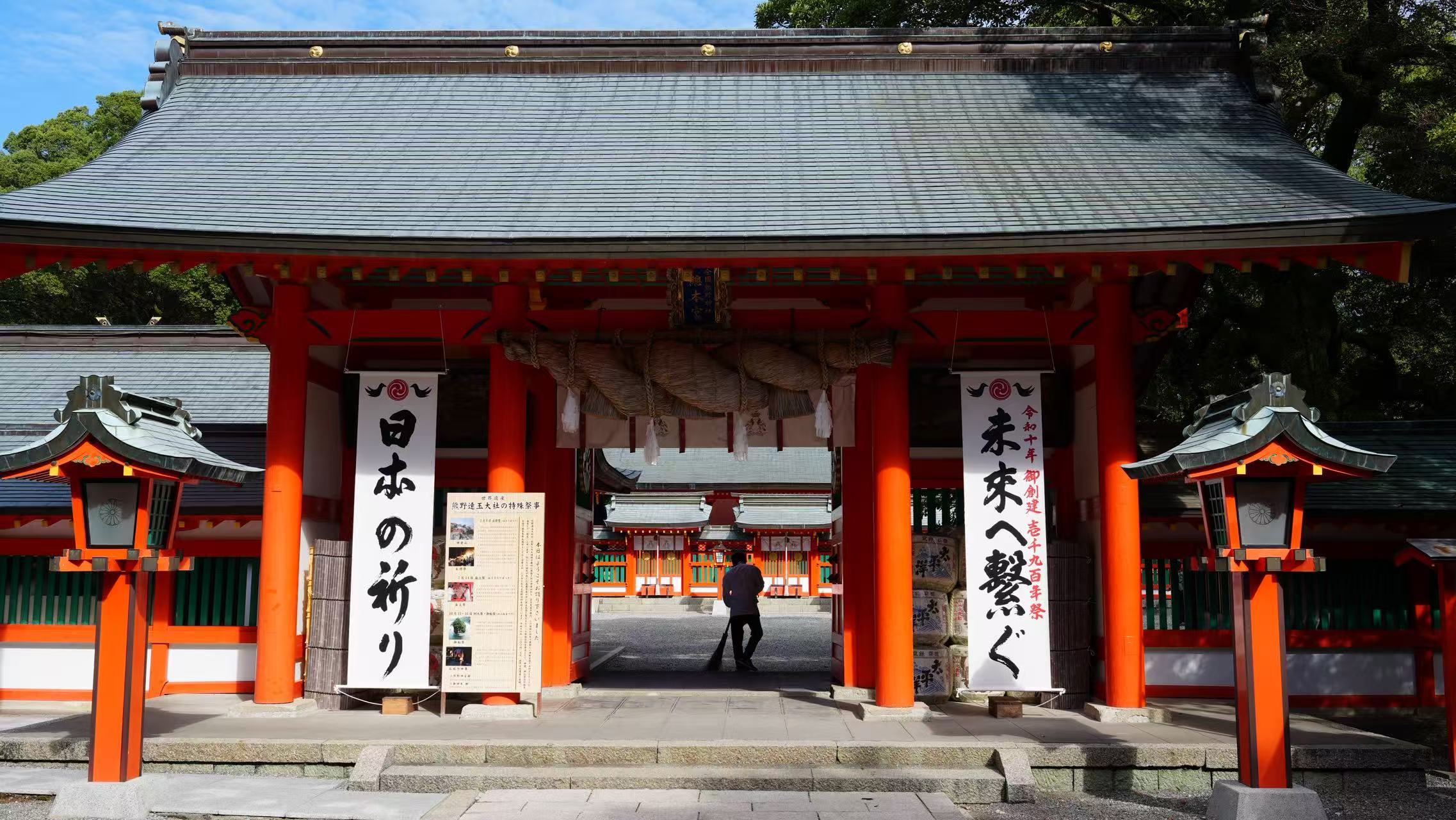
Kumano Hayatama Taisha, a spiritually potent sanctuary at the mouth of the Kumano River, offers a solemn encounter with ancient faith where water and divinity converge.
Located in the heart of Shingu City, this shrine
has long welcomed countless pilgrims as one of the Three Grand Shrines of
Kumano, serving as a key stop along the Kumano pilgrimage. Its elegant
vermilion halls stand in solemn harmony with the rushing Kumano River,
symbolizing the power of purification and rebirth. Within the grounds,
nationally treasured cultural artifacts and thousand-year-old sacred trees are
preserved—inviting visitors to walk among them and deeply experience the
historical depth and spiritual essence of Kumano belief.

 06-7220-9627
WhatsApp
Wechat
LINE
06-7220-9627
WhatsApp
Wechat
LINE